Gundams on the Shelf, Gold in the Bank: The Rise of Mecha Collectibles in America
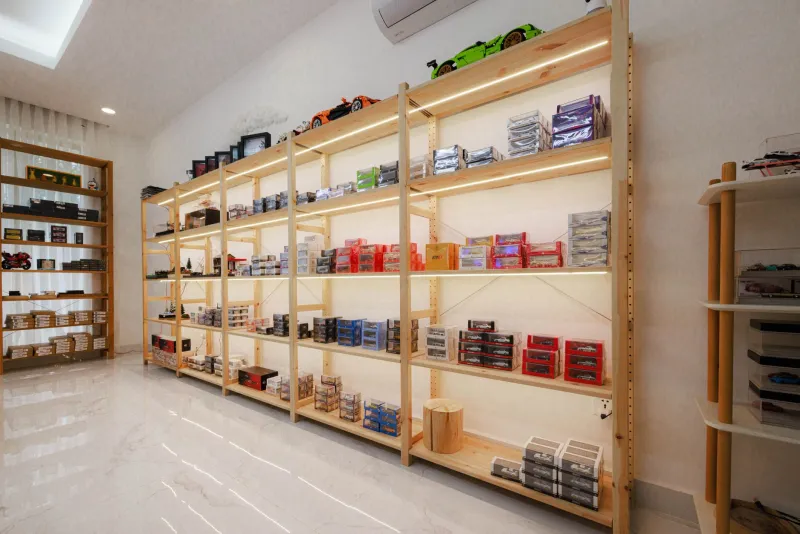
Walk into any serious hobby shop in the US right now and you'll notice something that would've seemed impossible back in the early 2000s. The Gundam section isn't tucked away in some dusty corner next to the model trains. It's front and center, lit up like a jewelry display, with price tags that make your eyes water a little. And people are buying.
Mecha collectibles — model kits, high-grade figures, diecast statues, and limited-run exclusives — have quietly become one of the hottest categories in the American hobby market. We're talking about a segment that's grown from a passionate but small import community into a multi-billion-dollar industry with its own conventions, investment communities, and resale markets that rival sneaker culture.
So how did a hobby rooted in Japanese robot anime go this mainstream, this fast?
The Kit That Opened the Door
For a lot of American collectors, the entry point was Gundam. Bandai's High Grade and Master Grade model kits — known as Gunpla — started showing up in US hobby shops and big-box stores in the late 1990s and early 2000s, riding the wave of Toonami and the broader anime boom. But back then, the audience was narrow. You either knew what a Zaku II was or you didn't.
That changed gradually, and then all at once. The combination of YouTube build channels, Reddit communities, and the global pandemic — which sent millions of Americans hunting for new hobbies to fill the time — created a perfect storm. Suddenly, Gunpla wasn't just for the anime nerds. It was for anyone who liked building things, displaying beautiful objects, or just needed something to do with their hands.
"I started selling Gundam kits out of a small section in my shop around 2018," says Marcus Webb, owner of Steel Hobby in Columbus, Ohio. "By 2021, it was half my floor space. I couldn't keep Perfect Grade kits in stock. People were driving two hours to pick up a kit I'd held for them."
From Hobby to Investment
Here's where it gets really interesting. A growing chunk of the mecha collectible market isn't driven by builders or even display collectors — it's driven by investors. Limited-edition releases from Bandai, Good Smile Company, and Kotobukiya regularly sell out within minutes online and reappear on eBay and StockX-style resale platforms at two, three, sometimes ten times the original retail price.
The Bandai PG Unleashed RX-78-2 Gundam, which retailed around $250, was flipping for $400 to $600 within weeks of its US release. Certain Metal Build figures — Bandai's premium diecast line — have appreciated in value like vintage comic books. Collectors who bought the Metal Build Destiny Gundam at retail are sitting on pieces worth double their original purchase.
"People come in here and ask me which kits are going to hold value," says Angela Tran, who runs a specialty import shop in Houston. "Five years ago, nobody talked like that. Now I have guys treating my shelves like a stock portfolio."
This investment mentality has brought in a whole new demographic: adult collectors with disposable income who may not have grown up watching Mobile Suit Gundam or Neon Genesis Evangelion but recognize quality craftsmanship and scarcity value when they see it.
The Convention Circuit Goes Big
The social side of mecha collecting has scaled up just as dramatically. Events like GundamCon USA, local IPMS model shows, and dedicated panels at anime conventions like Anime Expo and Otakon now draw serious crowds specifically for the mecha content. Custom Gunpla competitions — where builders paint, modify, and scratch-build their kits into one-of-a-kind pieces — have become a genuine competitive scene.
The best custom builders have Instagram followings in the tens of thousands. Some sell their painted commissions for hundreds of dollars. The line between hobbyist and professional artist has blurred completely.
"The community is what keeps people here," says Tran. "You can buy a kit online. But you come to the shop, to the shows, because you want to talk to people who get it. That's not going away."
Beyond Gundam: The Broader Mecha Shelf
While Gundam is the undisputed king, the American mecha collectible market has diversified significantly. Evangelion figures remain perennial bestsellers — the Revoltech and Figuarts Eva Unit-01 pieces move constantly. Transformers, which has always had a massive US following, has seen its collector market overlap heavily with anime-adjacent robot fans. And newer properties like Darling in the FranXX, Code Geass, and even game-based mechs from titles like Armored Core VI have generated their own dedicated figure lines.
Kotobukiya's Frame Arms Girl series — a hybrid of mecha design and figure collecting — has found an unexpectedly large US audience, bridging the gap between traditional model kit hobbyists and anime figure collectors.
What's Driving the Next Wave
Industry insiders point to a few factors that will keep this market growing. The continued globalization of anime streaming means new mecha properties are reaching American audiences simultaneously with Japanese ones, building fandoms faster than ever. Bandai's decision to open a dedicated Gundam Base retail concept in the US — following the success of its Tokyo and Singapore locations — signals serious confidence in the American market.
There's also the generational angle. The kids who watched Gundam Wing on Cartoon Network in 1999 are now adults with real money to spend on the hobby they had to abandon when they were 12 because the kits were too expensive. They're back, and they're buying the Master Grades they could only dream about back then.
For collectors, builders, and yes, investors alike, the mecha shelf has become one of the most exciting corners of American hobby culture. And if the current trajectory holds, it's only going to get more crowded — and more valuable — from here.