When the Anime Ends and the Controller Begins: The Mecha Franchise Game Problem
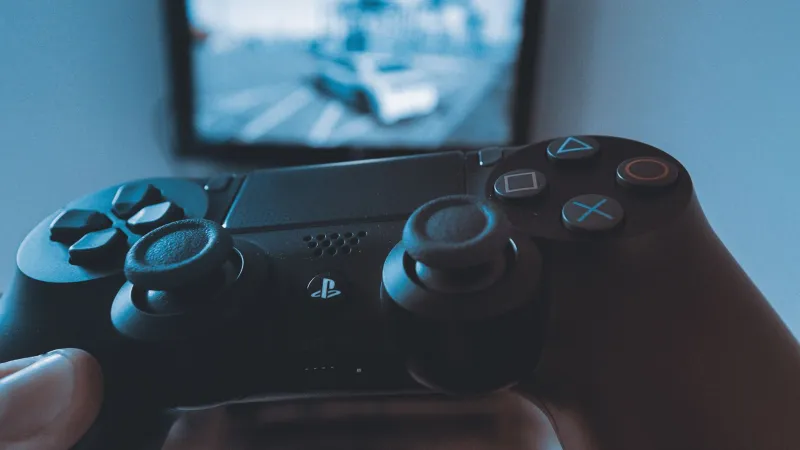
There's a moment in almost every mecha anime that makes you think the same thing: this would be an incredible video game. Maybe it's the first time Shinji syncs with Unit-01 and the camera goes insane. Maybe it's the opening minutes of Gurren Lagann when Kamina punches his way out of the underground. Maybe it's literally any scene from Code Geass where a Knightmare Frame does something that defies basic physics in the most satisfying way possible.
The feeling is real. The follow-through, however, is a different story.
The relationship between mecha anime and video games has always been complicated — sometimes beautiful, sometimes an absolute disaster, and increasingly, something that studios and publishers are treating as a financial necessity rather than a creative opportunity. Let's talk about why.
The Pipeline Is Real, and It's Getting Faster
The push to turn every major mecha property into a game isn't new, but the urgency behind it has intensified dramatically. When a mecha anime breaks through — think Darling in the FranXX catching fire globally in 2018, or Aldnoah.Zero building a passionate fanbase — publishers see a window. That window is narrow. You have maybe 18 months of peak fan engagement before the discourse moves on, and if you don't have a game in that window, you've left money on the table.
This is partly why so many mecha game adaptations feel rushed. They're designed to ship while the anime is still culturally relevant, not necessarily when the game itself is ready. Mobile gacha titles are the most common solution because they can be developed faster, monetized aggressively, and updated with new content that mirrors the ongoing anime. It's not always satisfying, but it works financially.
"The gacha model is the path of least resistance for a lot of these properties," notes one industry analyst who covers the Japanese mobile gaming space. "You don't need a great game. You need recognizable characters, a functioning battle system, and a steady stream of limited banners. The fans will come."
When It Actually Works: The Case Studies
But let's be fair — there are genuine success stories in the anime-to-mecha-game pipeline, and they're worth studying.
Super Robot Wars is the obvious heavyweight. Bandai Namco's long-running tactical RPG series has been crossing over mecha anime properties since 1991, and it remains one of the best arguments for why the anime-to-game pipeline can produce something genuinely great. The secret? It doesn't try to retell the original story. It creates a new context — a giant crossover event — where the game's own narrative logic takes precedence. Fans aren't playing a lesser version of Evangelion. They're playing something new that happens to include Evangelion. That distinction matters enormously.
Armored Core VI: Fires of Rubicon is a different kind of success story. FromSoftware's series isn't technically an anime adaptation, but its 2023 release demonstrated something crucial: when a developer is given creative freedom and sufficient time, a mecha game can transcend its genre entirely and become a critical darling. The game pulled in players who had never touched a mecha title before and converted them into fans of the broader genre. That's the pipeline working in reverse — the game creating anime fans rather than the other way around.
Mobile Suit Gundam: Battle Operation 2 deserves a mention too. It's a free-to-play multiplayer title that's been running since 2018 and maintains a dedicated, passionate US player base. It works because it respects the source material deeply and gives players genuine mechanical depth to engage with.
The Spectacular Failures (And What They Teach Us)
For every Battle Operation 2, there's a cautionary tale. The original Neon Genesis Evangelion game releases from the late 1990s were largely incoherent experiences that seemed to have been made by people who had read a summary of the anime but never actually watched it. More recently, several mobile adaptations of popular mecha properties have launched, generated a burst of downloads from excited fans, and then quietly shut down servers within 18 months when the monetization didn't hit targets.
The pattern in the failures is consistent: the license is treated as the product. The assumption is that if you slap a beloved mecha property on a mediocre game, the fans will show up and stay. Sometimes they do show up — but they don't stay, and they don't recommend it to anyone else.
"Fans of a mecha anime know that universe better than almost any developer working on the game," says one veteran game designer who has worked on licensed properties. "If you cut corners on the lore, the mech designs, the way the combat feels — they will know immediately. And they will tell everyone."
The Creative Tension Nobody Talks About
There's a more subtle problem that rarely gets discussed publicly: the fundamental tension between what makes great anime storytelling and what makes great game design.
Mecha anime is often about passivity transforming into agency — a reluctant pilot forced into a cockpit, slowly discovering their own power. That's incredible narrative territory. But in a game, the player has agency from minute one. The dramatic arc that takes 26 episodes to build in an anime has to be compressed, restructured, or abandoned entirely when you put a controller in someone's hands.
The adaptations that handle this best either lean fully into the interactive format and let players create their own agency (like the Gundam Breaker series, which lets you build your own custom Gunpla and battle with it) or find clever ways to make the player feel like they're experiencing the story rather than just watching cutscenes between combat sections.
What the Future Looks Like
The anime-to-game pipeline isn't slowing down. If anything, the success of properties like Chainsaw Man and Jujutsu Kaisen in gaming spaces has convinced publishers that the model works when executed properly. For mecha specifically, the upcoming generation of titles has a real opportunity to set a new standard.
The fans are there. The money is there. The only remaining question is whether the creative ambition will match the commercial opportunity. Based on the history, that's genuinely an open question — but the examples that got it right give us reason to hope.