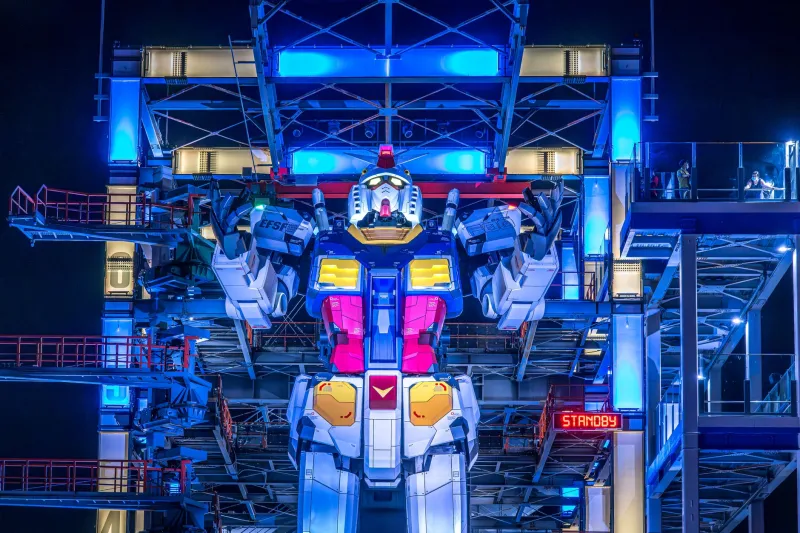
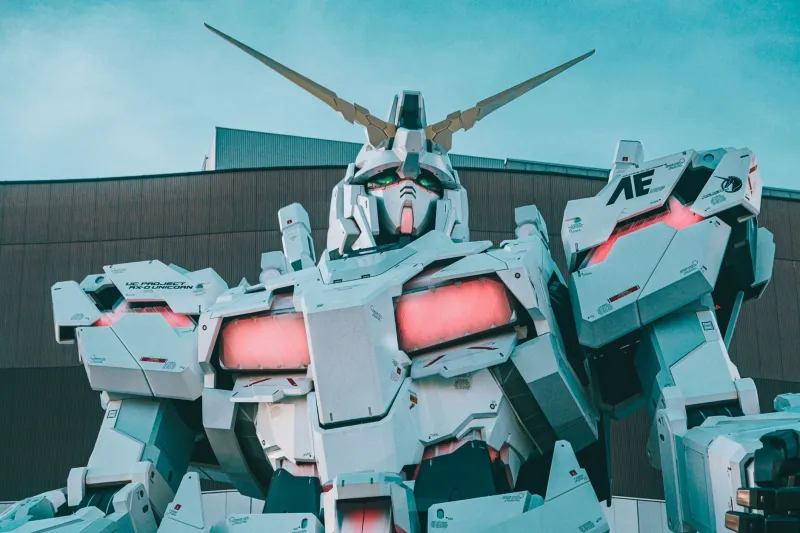
Streaming Wars, Giant Robots: How Mecha Anime Became the Hottest Commodity on American Platforms
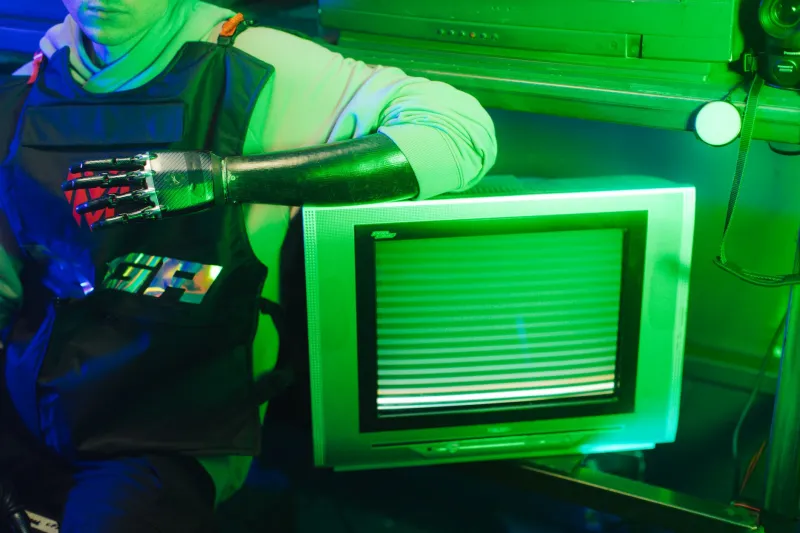
Something wild is happening on your streaming dashboard right now. Scroll through Crunchyroll, Netflix, or even Tubi on any given evening and you'll notice a pattern — mecha anime is everywhere, and it's not hiding in the niche corners anymore. These shows are front and center, sitting right next to prestige TV dramas and mainstream action blockbusters. For those of us who grew up watching Gundam Wing on Cartoon Network at midnight or hunting down Evangelion VHS tapes at Suncoast Video, this moment feels almost surreal.
So what's actually going on? Let's dig into why American streamers are suddenly all-in on Japanese giant robot content and what it means for the broader anime community.
The Numbers Don't Lie
Crunchyroll's own viewership data and social listening tools tell a compelling story. Titles like Mobile Suit Gundam: The Witch from Mercury, 86 — Eighty Six, and the ongoing Gundam anniversary releases have all posted viewership numbers that surprised even industry insiders. Netflix's acquisition of the Neon Genesis Evangelion catalog back in 2019 turned out to be a quiet masterstroke — the platform reportedly saw massive spikes in watch time every time a new generation of fans discovered it through recommendation algorithms.
And it's not just the legacy titles doing the heavy lifting. Newer entries are pulling serious weight too. Darling in the FranXX, Knights of Sidonia, and the Aldnoah.Zero series all have healthy, active fan communities on Reddit and Discord that keep the conversation going long after episodes drop. That kind of sustained engagement is exactly what streaming platforms are optimizing for.
Why Content Creators Are Going All-In
YouTube and TikTok have become the unofficial hype machines for mecha anime in the US, and the numbers make it obvious why creators are leaning hard into this lane. Reaction videos, lore deep-dives, mecha tier lists, and "best giant robot anime" compilations routinely rack up hundreds of thousands of views. Channels that might have focused exclusively on shonen battle anime two years ago are now dedicating entire series to Code Geass breakdowns or Macross lore explanations.
Part of this is pure algorithm logic. Mecha content tends to attract a slightly older demographic — late millennials and Gen X viewers who have disposable income and strong brand loyalty. That's a golden audience for advertisers, and creators know it. But it's also genuinely fun content to make. The mechanical design complexity of shows like Gurren Lagann or Full Metal Panic gives analysts and superfans endless material to work with.
American content creators have also figured out that mecha anime functions as a great gateway for cross-genre storytelling discussions. You can talk about Evangelion as a psychological thriller, Gundam as a war drama, or Escaflowne as a fantasy romance — the genre is versatile enough to pull in viewers who might not self-identify as "mecha fans" at all.
The Nostalgia Engine Is Real, But It's Not the Whole Story
Let's be honest about one thing: nostalgia is absolutely part of this equation. The 30-something American fan who caught Voltron on daytime TV or watched RahXephon on Adult Swim now has a Netflix subscription and a few free hours on a Sunday afternoon. Streaming platforms have gotten very good at identifying these viewers and surfacing content that scratches that specific itch.
But reducing the entire mecha boom to nostalgia cycles undersells what's actually happening. The Witch from Mercury attracted a massive new audience of younger viewers who had zero prior connection to the Gundam franchise. Its contemporary themes around corporate exploitation, found family, and queer identity resonated with Gen Z in ways that had nothing to do with childhood memories. That's genuine new fandom being built, not just nostalgia being monetized.
Similarly, 86 — Eighty Six found its audience largely through word-of-mouth among viewers who were drawn to its unflinching examination of systemic racism and military ethics — themes that hit differently in the current American cultural climate. The mechs are almost secondary to the emotional core of that story, which is exactly why it crossed over beyond the traditional mecha fanbase.
Which Shows Are Actually Dominating Right Now
If you want a snapshot of what's moving the needle in 2024, here's the honest breakdown from what we're seeing across social platforms and streaming charts:
Gundam: The Witch from Mercury continues to be the conversation starter. Its serialized drama and character-driven storytelling made it the kind of show people actually talk about at work, not just in anime circles.
Neon Genesis Evangelion remains the undisputed entry point for new fans. Netflix's clean presentation and the continued cultural conversation around the Rebuild films keep it perpetually relevant.
Gurren Lagann never really left the top tier, but its presence on multiple platforms has introduced it to a whole new wave of viewers who are now absolutely losing their minds over the final arc. Welcome to the club.
Code Geass is quietly having a renaissance, particularly on TikTok where the strategic chess-match plotting has found an audience among fans of shows like Death Note and Overlord.
Is This a Permanent Shift?
Here's the real question, and it's one worth sitting with: are we watching a permanent realignment of Western anime fandom around mecha content, or is this a peak that will eventually correct itself?
Our honest take? It's somewhere in between. The infrastructure is now in place for mecha anime to maintain a much stronger foothold in American streaming culture than it had even a decade ago. Licensing deals are more sophisticated, subtitle and dub quality has improved dramatically, and the community infrastructure on social platforms is robust enough to sustain ongoing engagement.
But the genre will always have a ceiling in terms of mainstream crossover appeal. Giant robot shows require a certain investment from viewers — the mechanical lore, the political world-building, the sometimes dense narrative structures. That's not a flaw; it's actually part of the appeal for the core audience. But it does mean mecha anime will likely settle into a position as a strong, respected pillar of the streaming anime ecosystem rather than a genre that dominates the overall charts.
For those of us here at Robo Murito, that's honestly a great outcome. A healthy, passionate, growing community of mecha fans who can find their shows easily on major platforms? That's the dream. The robots are here, they're accessible, and a whole new generation of American fans is falling hard for steel giants and the stories built around them.
And honestly? It's about time.